From Cardboard to Silicon Valley: PS Academy Student Rebuilds the World's First Computer
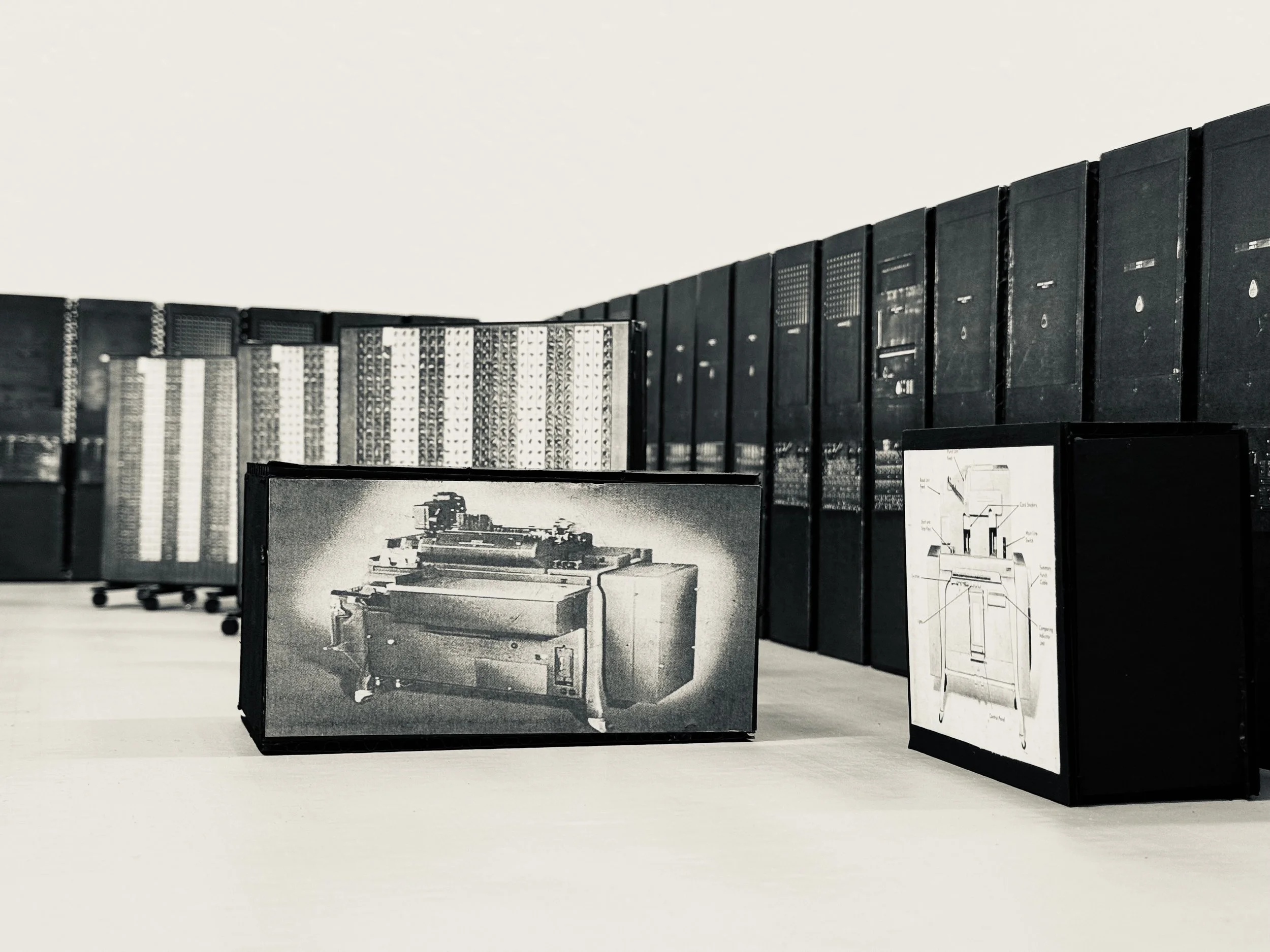
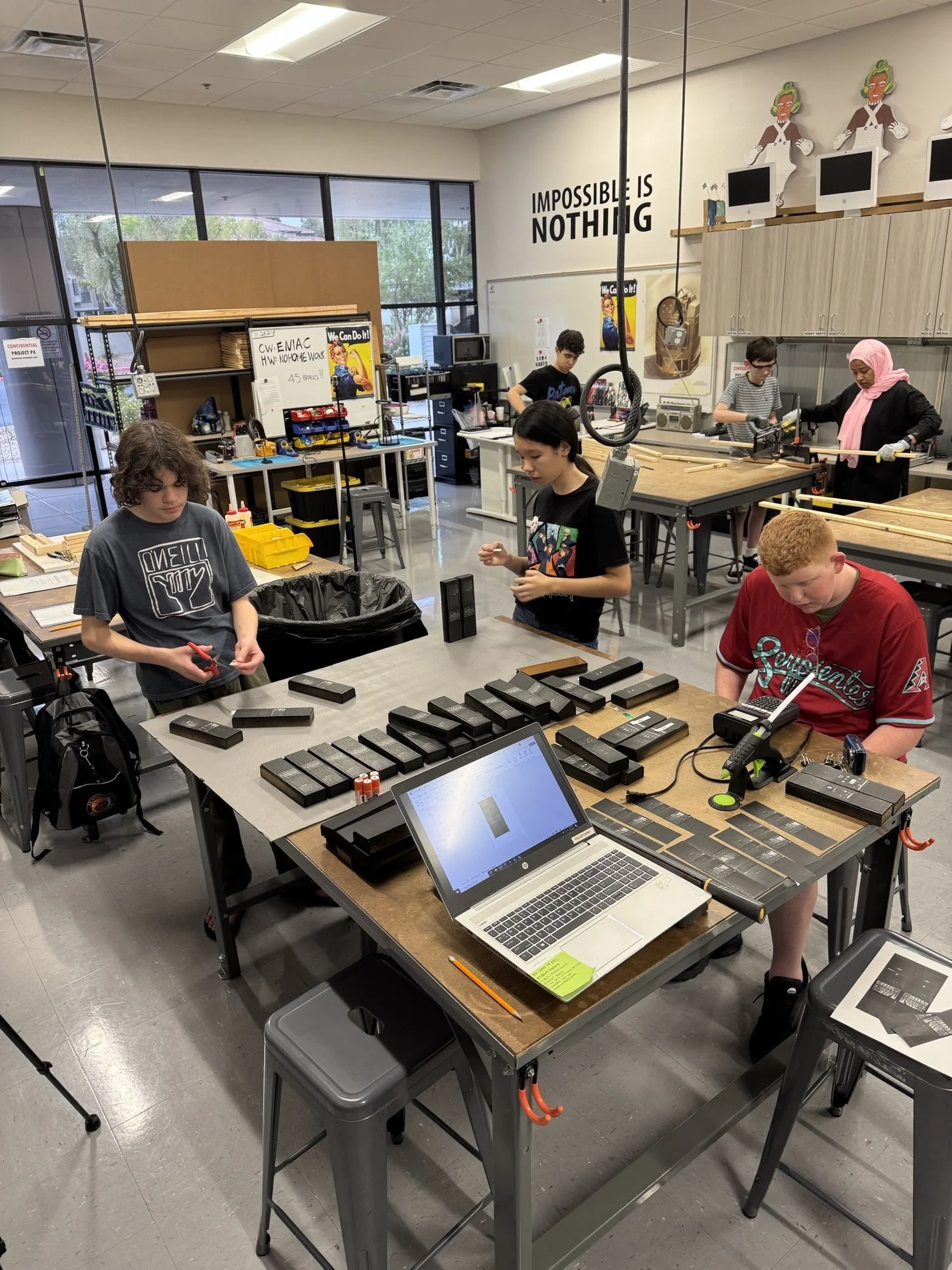
This Saturday, 15-year-old Cameron Coleman is walking into the Computer History Museum in Mountain View to do something most high schoolers never get the chance to do: present his work to the people who literally wrote the history of computing.
Cameron, a neurodivergent student at PS Academy Arizona, spent six months alongside his classmates building a full-scale replica of ENIAC, the world's first electronic computer. Using original blueprints, the students assembled more than 22,000 precision-cut cardboard components into a machine spanning roughly 500 square feet, matching the scale of the original ENIAC built during World War II to calculate ballistic trajectories for the U.S. Army.
On August 1, Cameron, his parents, and PS Academy technology instructor Tom Burick will travel to the Vintage Computer Festival to share the project with historians, engineers, and museum professionals from around the world. Their session is titled "Impossible Until it Isn't: How Neurodivergent Students Rebuilt ENIAC, and What it Teaches Us About Human Potential."
It's a fitting title, because the project was never really about cardboard.
A Typical Assignment This Was Not
When Burick first introduced the idea to his class, the questions weren't about grades. They were about scale, about timing, about whether something this ambitious was even possible for a group of students to pull off.
"It's a powerful statement of capability, and I think that students recognize this in themselves through this project," Burick said.
That statement matters because conversations about autism and neurodivergence too often center on what students can't do. Inside Burick's classroom, the project flipped that script. Instead of managing around perceived limitations, the class built something enormous, technical, and historically significant, entirely on their own terms.
Why ENIAC, and Why Now
Built in the 1940s, the original ENIAC weighed 30 tons, held more than 18,000 vacuum tubes, and took up nearly 1,800 square feet, about the size of a modest home. It helped launch the digital age. Eighty years later, the smartphone in your pocket delivers millions of times more computing power.
That contrast is part of the point. The same spirit that pushed computing forward decades ago, the willingness to attempt something that seems impossible, is exactly what this project asked of Cameron and his classmates. And they delivered.
What This Means Beyond the Museum
This project is a clear example of what happens when neurodivergent students are given real-world challenges instead of watered-down ones. Hands-on STEAM education didn't just teach technical skills here. It built confidence, strengthened teamwork, and gave students proof of their own capability that no test score could match.
That's the real story PS Academy is bringing to Silicon Valley this weekend: not a replica of a machine, but a replica of what's possible when expectations are set high and students are trusted to meet them.