How Can I Help My Teen with Autism Get Ready for Back to School?
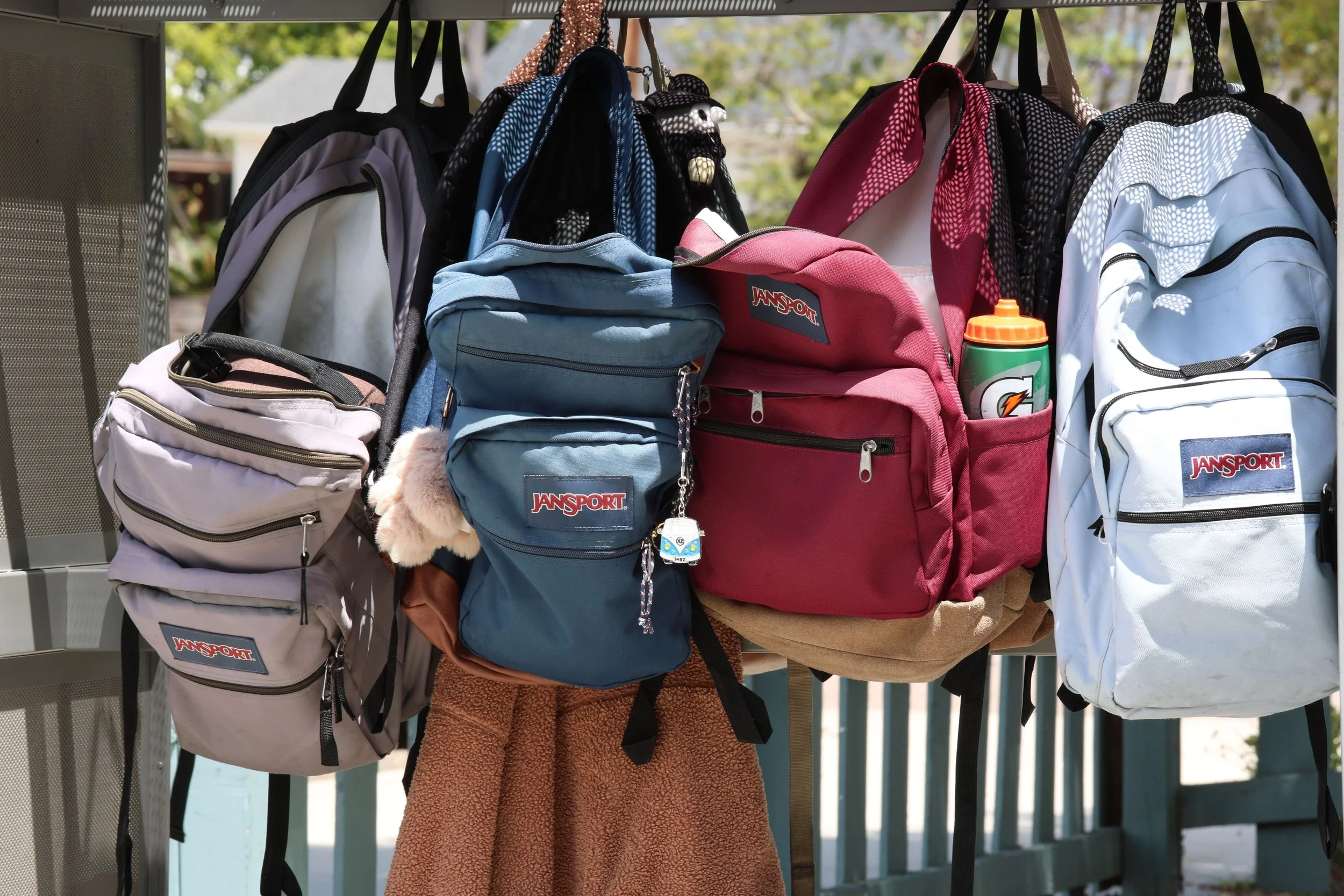
For many families, the back-to-school season feels like a mix of excitement and anxiety. New schedules, different classrooms, and changing social dynamics often bring uncertainty.
Creating predictability, practicing routines, and planning ahead are some of the best ways to make the transition smoother for teens, especially those with autism and other neurodivergencies. School should be more than just tolerable; it should be a place where your teen feels safe, connected, and excited to learn. If that hasn’t been your child’s experience, it may be a sign that it’s time to explore a different school environment, like PS Academy Arizona.
How Can You Re-Establish Routines Before School Starts?
Routines are one of the strongest supports you can give your teen. They help reduce stress, increase independence, and set a positive tone for the school year.
Start adjusting sleep schedules early. Encourage your teen to gradually adjust their bedtime and wake-up times, so the first week of school doesn’t come as a shock.
Practice morning routines. Walking through steps like eating breakfast, packing a backpack, and leaving the house on time can help build confidence and reduce stress.
Preview the school day. Use a visual calendar, checklist, or phone reminders to outline each day’s schedule. Predictability gives your teen a stronger sense of control.
Rehearsing these routines helps your child ease into new expectations while building the independence they’ll need to succeed.
How Do You Help Your Teen Build Social Confidence Before School?
The social side of school is just as important as academics. Many teens with autism want friendships but may struggle with starting conversations, joining group activities, or knowing how to “read the room.”
To boost social readiness:
Set up small social opportunities: Group outings or practicing conversations at home can help ease the transition back to social life at school.
Role-play scenarios: Practice introducing yourself to new classmates, asking to join a group at lunch, or talking to teachers.
Focus on shared interests. Encourage activities or clubs that align with your teen’s passions. It’s easier to connect with others when there’s a common interest.
At PS Academy Arizona, students thrive socially because they’re surrounded by peers who understand and accept them. We also offer tips in our blogs for both teens and parents on aspects of both school and everyday life to help everyone thrive.
How Can Parents Reduce Back-to-School Anxiety?
Even with planning, the first days of school can bring nerves. Supporting your teen through that anxiety makes a big difference.
Talk it out: Let your child share what they’re excited about and what makes them nervous. Simply feeling heard can reduce stress.
Use calming strategies: Deep breathing, fidget tools, or quiet time before and after school can help teens manage their emotions.
Visit the school early: Walking through classrooms, meeting teachers, and practicing the route can remove much of the mystery and ease fears.
The more familiar the environment feels, the more confident your teen will be on that first day.
How Can Parents Support Executive Functioning Skills?
Back-to-school success isn’t just academics; it’s also managing daily responsibilities. Teens with autism may require additional support with executive functioning, including organization, time management, and planning.
Some strategies include:
Color-coded folders and binders for different subjects.
Visual schedules for homework time and daily activities.
Break tasks into smaller steps so projects don’t feel overwhelming.
As PS Academy Arizona highlights in its approach, learning independence is just as important as academics. Skills like planning, organizing, and staying on track are essential life skills that will benefit teens far beyond the school years.
What if School Still Feels Stressful for Your Teen?
Even with preparation, some students struggle year after year. If your child dreads school, feels isolated, or isn’t getting the support they need, it may not be about them; it may be about the environment.
At PS Academy Arizona, we’re a community built for students with autism and other neurodivergencies. Our students aren’t just surviving the school day; they’re thriving in academics, friendships, and activities that bring them joy.
Our campus offers:
A safe, supportive culture where teens feel accepted
One parent shared:
“Our daughter has learned so many skills that have made her feel more confident about herself.”
When students feel supported, school becomes a place they actually look forward to.
Every Teen Deserves to Feel Excited About School
The back-to-school season should be a fresh start, not a source of dread. With preparation, routine, and the right environment, your teen can feel confident, connected, and excited to learn.
If school hasn’t been the positive experience it should be, maybe it’s time to explore a place where your teen can belong, grow, and thrive.
Reach out to schedule a tour and start getting everyone excited for back to school.
FAQs
1. How can I help my teen with autism adjust to a new school year? Start routines early, visit the school ahead of time, and practice social and academic skills at home to ensure a smooth transition.
2. Why does my teen struggle more with back-to-school transitions? Teens with autism often rely on predictability. Big changes in routines, settings, and expectations can feel overwhelming without preparation.
3. What are some signs my teen might need a different school? If your child dreads going to school, feels socially isolated, or isn’t receiving enough support, it may be time to explore other options.
4. How do I reduce school-related anxiety for my teen? Practice calming strategies, maintain open communication, and provide structure before and after the school day.
5. Why is PS Academy Arizona a good fit for teens with autism?With students grouped by ability, small class sizes, and a strong social community, PS Academy helps students thrive academically and emotionally.