Why Student Stories Matter in Arizona's ESA Conversation
In Arizona, the conversation around Empowerment Scholarship Accounts (ESA) has become increasingly visible, and increasingly complex. As policymakers and voters consider potential changes to the program, including a ballot initiative that could introduce income caps and additional requirements for participating schools, it's important to remember who is at the heart of this discussion: students and families.
At PS Academy, we serve teens with autism and other neurodivergent learning needs, many of whom struggled in traditional school environments before finding their way to us. For these students, education is not one-size-fits-all. It is deeply personal, highly individualized, and often transformational when done right.
Walk into one of our classrooms, and you'll see something that looks familiar. Students are engaged in academics, collaborating with peers, and working toward their goals. Look a little closer, and you'll notice what makes our environment different. Classes are smaller and more flexible. Students are grouped by ability rather than age. Equal emphasis is placed on academics, social development, and real-world life skills.
Our students are not only learning, they are thriving.
In our culinary program, students build confidence while learning practical skills they can carry into adulthood. They work together to prepare meals, follow multi-step instructions, and experience the pride that comes from creating something tangible. For many, it's the first time they've felt successful in a structured learning environment.
In our STEM and technology programs, students explore problem-solving, coding, and hands-on projects that tap into their natural curiosity. These programs are not just about academics; they're about helping students see what they are capable of.
But the most powerful stories come from our families.
One parent recently shared that before enrolling at PS Academy, their child struggled daily: academically, socially, and emotionally. Today, that same student is confident, engaged, and excited to go to school. Another family described the transformation as something they "never thought possible," noting that their child has developed not only academic skills, but also independence, friendships, and a renewed sense of self.
These are the outcomes that matter. And they are not just anecdotal; they are being recognized at the highest levels. PS Academy was recently awarded dual accreditation from the National Independent Private Schools Association (NIPSA) and Cognia, along with a specialized autism endorsement. This distinction reflects both strong academic standards and deep expertise in supporting neurodiverse learners, reinforcing what our families experience every day.
The ESA program was originally created to support students with unique learning needs, students who require a different approach to education to succeed. For many families at PS Academy, ESA has made it possible to access a learning environment tailored specifically to their child.
As conversations continue around potential changes to the program, it's important to recognize that schools like ours operate differently by design. Our model is built to meet students where they are, which may not always align neatly with traditional state standards, testing structures, or one-size-fits-all requirements.
That doesn't mean there isn't accountability. In fact, the opposite is true. We are accountable every day to our students and their families. Their growth, their confidence, and their success are the clearest measures of impact.
There are many perspectives in the ESA discussion, and it's a conversation worth having. But as we evaluate the future of the program, we must ensure that the voices of students and families, especially those it was originally intended to support, remain front and center.
Because at the end of the day, this isn't just about policy. It's about people. And at PS Academy, we see every day what's possible when students are given the opportunity to learn in a way that truly works for them.
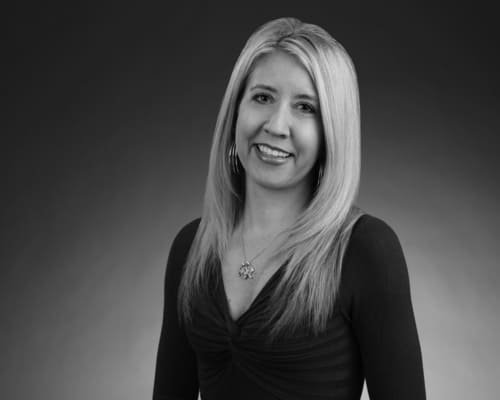
Kami Cothrun is the Founder of PS Academy, one of the state's top-ranked, specialized schools for teens with autism and other neurodivergences. The school empowers each of its students to develop the academic, social, functional, and independent living skills needed to reach their full potential both in and out of the classroom.