What Does a Real High School Experience Look Like for a Teen With Autism?
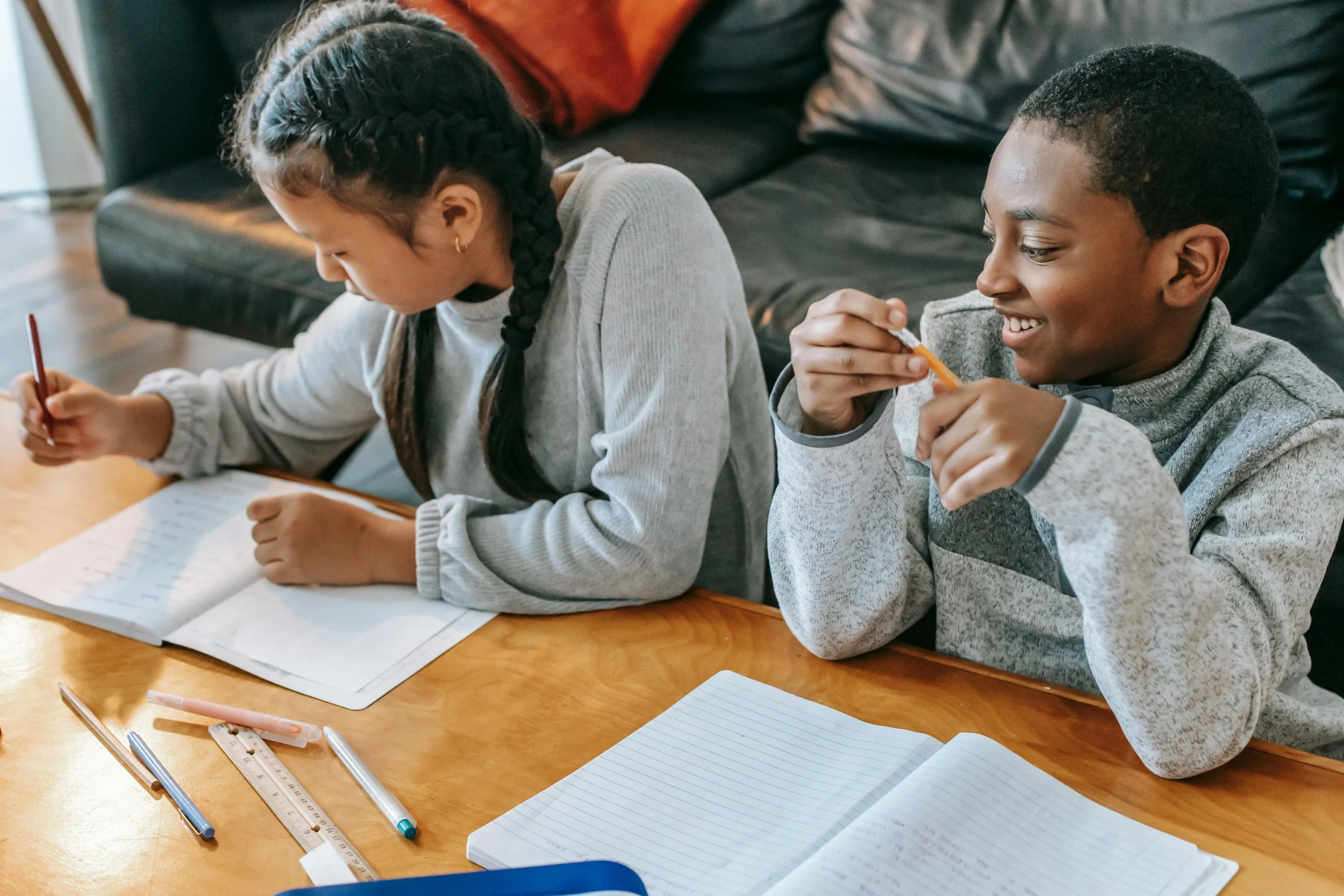
A real high school experience for teens with autism or neurodivergencies should include more than academics. It should include friendships, school events, clubs, electives, sports, independence, and a sense of belonging. Many families worry that those experiences are out of reach after difficult years in traditional schools, but the right environment can help teens reconnect socially, build confidence, and actually enjoy being part of school again.
For many teens with neurodivergencies, high school becomes easier when they are surrounded by peers who understand them, teachers who support them, and a school culture that values connection over pressure.
What Does a “Typical” High School Experience Mean for Teens With Neurodivergencies?
When you think about high school, you often picture things like school spirit, friendships, electives, sports teams, and discovering new interests. Almost any teen wants that same experience, including those with autism or other neurodivergencies. They want people to sit with at lunch, clubs to join, activities to look forward to, and a place where they do not constantly feel different.
The challenge is that many traditional schools unintentionally make social connection harder. Large campuses, overwhelming schedules, crowded classrooms, and social pressure can leave teens with anxiety or autism feeling isolated instead of included. Over time, some students stop participating altogether because school becomes emotionally exhausting. A better high school experience does not remove expectations or opportunities; it creates an environment where teens feel comfortable participating in them.
Can Teens With Autism Have Friends and a Social Life in High School?
Yes, and for many families, this is one of the biggest changes they notice after finding the right school environment. The social life for teens with autism can even look different from what parents expect. Friendships may build more slowly, start through shared interests, or grow naturally in smaller group settings. But when teens feel accepted rather than judged, their social confidence tends to grow over time.
At schools that support teens with neurodivergencies well, friendships often develop through everyday experiences:
eating lunch together
participating in interest-based clubs
collaborating during electives
participating in sports or team activities
spending time with peers who share similar experiences
For many students, belonging starts when they stop feeling like they have to mask who they are all day long.
Why Do Clubs and Electives Matter So Much for Teens With Neurodivergencies?
Clubs and electives are often where students feel most like themselves. These spaces give teens opportunities to connect around shared interests rather than social pressure. At PS Academy Arizona, clubs and electives allow students to explore interests in technology, gaming, art, filmmaking, leadership, sports, and a variety of other activities that help build both confidence and connection.
For teens with neurodivergencies, electives can serve as an important bridge to friendships because conversations flow more naturally when students are focused on something they genuinely enjoy. Instead of worrying about fitting in socially, they can participate in something meaningful together.
Can Sports Be Part of the High School Experience for Teens With Autism?
Absolutely. Sports can provide structure, teamwork, routine, and confidence-building experiences for many students.
At PS Academy Arizona, students have opportunities to participate in competitive athletics while being part of a supportive environment. For some students, competitive sports create a sense of belonging that academics alone never did. Being part of a team helps teens build trust, communication skills, and friendships in a setting with shared goals and predictable routines.
Not every teen wants a highly competitive sports experience, though. Many simply want the chance to participate, improve skills, and feel included. Having supportive coaches and peers, along with a variety of sports as part of our Special Olympics delegation, can make a major difference in whether a student feels confident enough to try.
Why Do Some Teens With Neurodivergencies Struggle in Traditional High Schools?
Many teens with neurodivergencies are capable academically but struggle with the environment itself. Over time, students may begin associating school with anxiety rather than growth. Parents sometimes notice their teen withdrawing socially, refusing to go to school, masking throughout the day, or coming home completely exhausted.
Traditional schools often involve:
large class sizes
constant transitions
heavy social pressure
sensory overload
fear of embarrassment or standing out
limited support during stressful moments
This does not mean the teen is incapable of having a positive high school experience. Often, it means the environment is asking them to work twice as hard just to get through the day. When schools provide calmer routines, supportive relationships, and opportunities for authentic connection, students are often able to participate socially in ways families have not seen before.
What Helps Teens With Neurodivergencies Feel Like They Belong at School?
Belonging usually starts with emotional safety. Teens are more likely to participate socially when they feel accepted instead of constantly judged.
That often means:
smaller classroom environments
predictable routines
supportive adults
peers with shared experiences
opportunities to connect through interests
less pressure to mask or fit in
For many students, the biggest difference is finally feeling understood. Instead of spending all day trying not to stand out, they can focus on learning, participating, and building relationships.
A real high school experience for teens with neurodivergencies is about creating an environment where teens can comfortably be themselves while still experiencing the friendships, activities, and growth that high school should offer.
What Does High School Confidence Look Like for Teens With Autism?
Confidence does not usually appear all at once. It often builds through small experiences repeated over time. For some teens, confidence looks like joining a club for the first time. For others, it is raising their hand in class, attending a school event, or texting a friend after school.
Parents often notice changes gradually:
less resistance to school
more conversations about peers
increased willingness to try activities
improved mood after school
excitement about upcoming events or electives
These moments matter because they help students begin to see themselves as capable, connected, and included. When students feel like they belong somewhere, confidence tends to follow naturally.
A Real High School Experience Is Possible
Many parents quietly wonder whether their teen will ever experience the parts of high school that other students seem to take for granted: friendships, activities, confidence, and a sense of belonging. Many teens wonder the same thing themselves.
The truth is that teens with autism or neurodivergencies often thrive socially when they are in environments designed with understanding, structure, and connection in mind. High school does not have to feel like survival. It can become a place where students build friendships, discover interests, and feel excited to show up again.
At PS Academy Arizona, students have opportunities to participate in clubs, electives, sports, and meaningful social connections in an environment designed to support teens with autism and other neurodivergencies. For many families, that is where high school finally starts to feel possible again.
Interested in learning more about PS Academy Arizona? Reach out to schedule a tour today.
FAQs
Can teens with autism have a typical high school experience?
Yes, many teens with autism or neurodivergencies are able to build friendships, join clubs, participate in sports, and enjoy school when they are in supportive environments that reduce stress and encourage belonging.
Why is social life hard for teens with autism sometimes?
Social pressure, sensory overload, masking, and fear of standing out can make traditional school environments overwhelming. Smaller, more supportive settings often make social connections easier.
What helps teens with neurodivergencies make friends in high school?
Shared interests, structured activities, clubs, electives, and emotionally safe environments often help friendships develop more naturally for teens with neurodivergencies.
Are sports good for teens with autism?
For many students, sports help build confidence, teamwork, routine, and social connections. Supportive coaches and peers can make participation feel more comfortable and rewarding.
What should parents look for in a high school for teens with neurodivergencies?
Parents often look for smaller class environments, supportive relationships, predictable routines, opportunities for social connection, and programs that help students feel accepted rather than pressured to fit in.