How a PS Academy Arizona Teacher Helped Students Rebuild One of the World’s First Computers
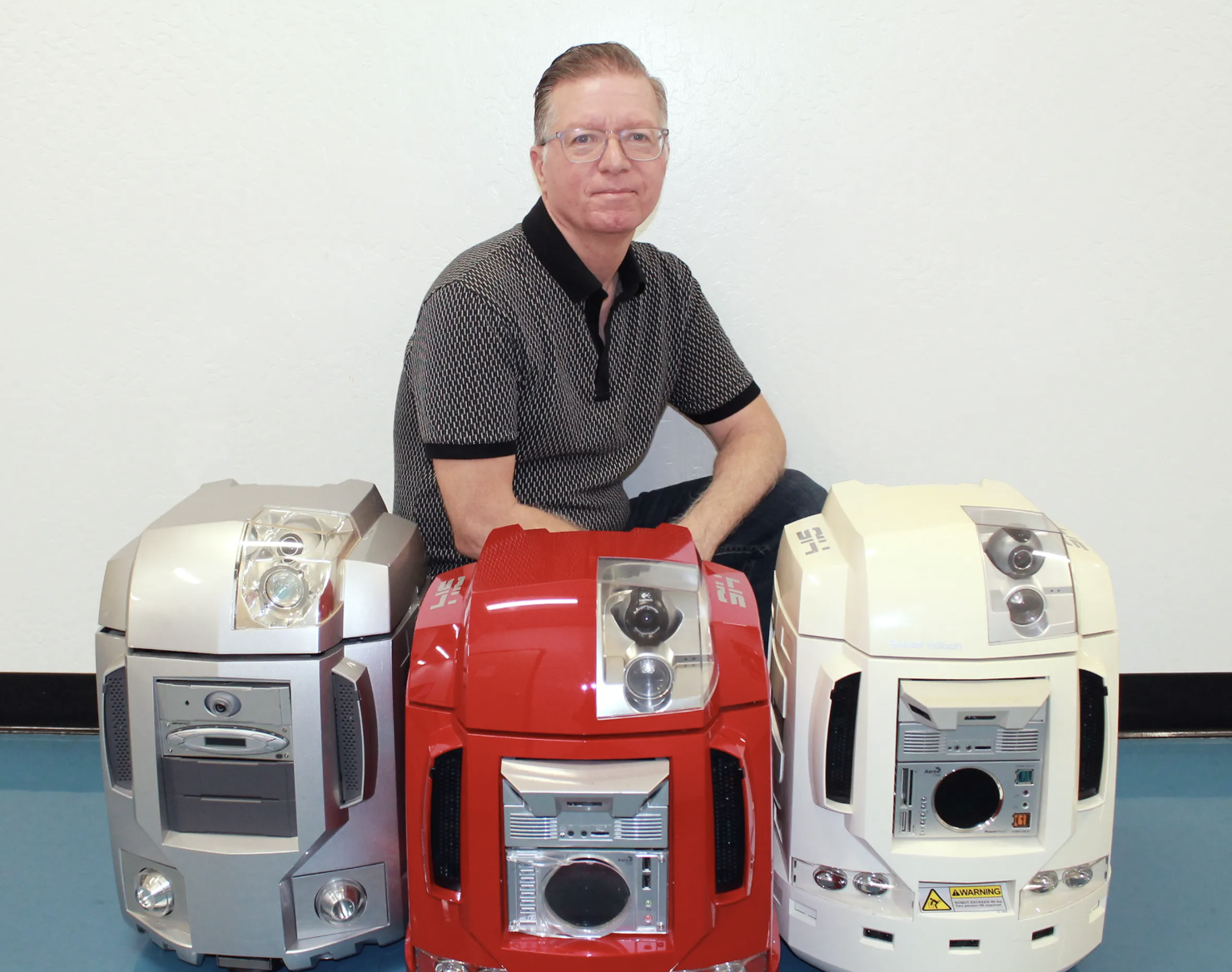
At PS Academy Arizona, learning comes to life through real-world projects that build confidence, curiosity, and skills. A recent feature in IEEE Spectrum highlights exactly what that can look like in action.
Technology instructor Tom Burick led a group of students in an ambitious project: building a full-scale replica of ENIAC, one of the world’s first programmable electronic computers.
What Is ENIAC?
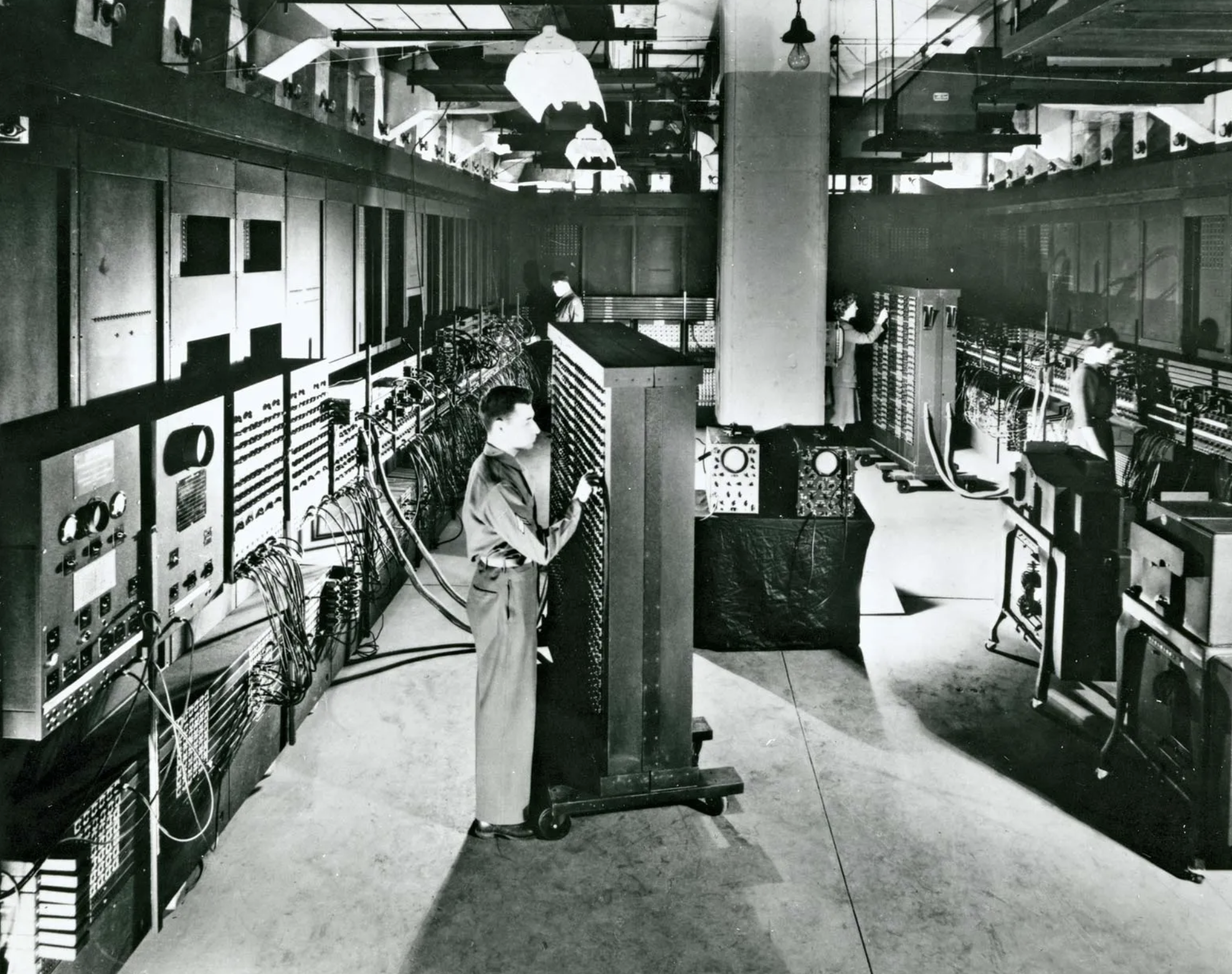
ENIAC (Electronic Numerical Integrator and Computer) was introduced in 1946 and helped launch the modern computing era. It was one of the first machines capable of high-speed, general-purpose computation, laying the groundwork for the technology we rely on today. Recreating something of this scale isn’t just a history lesson; it’s an opportunity for students to connect with how innovation actually happens: through problem-solving, persistence, and collaboration.
A Hands-On Project That Builds Real Skills
Under Mr. Burick’s guidance, students studied and rebuilt ENIAC. The project included:
Constructing full-scale panels modeled after the original machine
Installing thousands of simulated components, including vacuum tubes
Working through repeated, precise builds where small errors could compound
The result was a life-size replica made from thousands of parts, requiring months of focused work and teamwork. This kind of project goes far beyond traditional classroom learning. It allows students to engage, apply technical thinking, and see the impact of their work in a tangible way.
Why This Approach Works for Teens with Autism and Neurodivergencies
What makes this story especially meaningful is how the project was designed with students in mind. Mr. Burick intentionally builds lessons around strengths often seen in teens with neurodivergences, such as attention to detail, pattern recognition, and the ability to focus.
Rather than simplifying the work, the program challenges students with complex, meaningful projects. This approach helps shift the narrative from limitations to capabilities. As Mr. Burick shared, these experiences allow students to feel what it’s like to be in “a room full of scientists,” a powerful reminder of what they’re capable of achieving.
From Robotics to the Classroom: A Teacher Who Builds Confidence
Before becoming a teacher, Mr. Burick spent years running a robotics company and developing innovative technology. After closing his business, he chose to move into education to give students the same kind of mentorship that shaped his own path. That real-world experience shows up in the classroom. Students learn more than just concepts; they learn how those concepts apply outside of school.
What This Means for Students at PS Academy Arizona
Projects like the ENIAC replica reflect a bigger picture: learning environments matter.
When students are given:
Structured, hands-on experiences
Opportunities to explore their interests
Support that aligns with how they think and learn
They don’t just complete assignments, they build confidence. At PS Academy Arizona, the goal is more than just academic progress. The goal is to help students rediscover curiosity, develop real-world skills, and see themselves as capable learners.
Ready To Read More?
This project is just one example of what’s possible when students are given meaningful opportunities to learn, build, and grow. The full feature dives deeper into the process, the challenges, and the impact this experience had on everyone involved. It offers a closer look at how real-world learning can transform confidence and spark long-term interest in technology. Check out the full story here.
FAQs
What did PS Academy Arizona students build?
Students built a full-scale replica of ENIAC, one of the first programmable computers, using thousands of parts and detailed design work.
Who led the ENIAC project at PS Academy Arizona?
The project was led by technology instructor Tom Burick, a former roboticist with extensive real-world experience.
Why are hands-on projects important for teens with autism?
They allow students to engage through strengths like focus, repetition, and problem-solving while building confidence and practical skills.
How does PS Academy Arizona approach learning differently?
The school emphasizes structured, supportive environments and real-world applications, helping students connect learning to meaningful outcomes.